
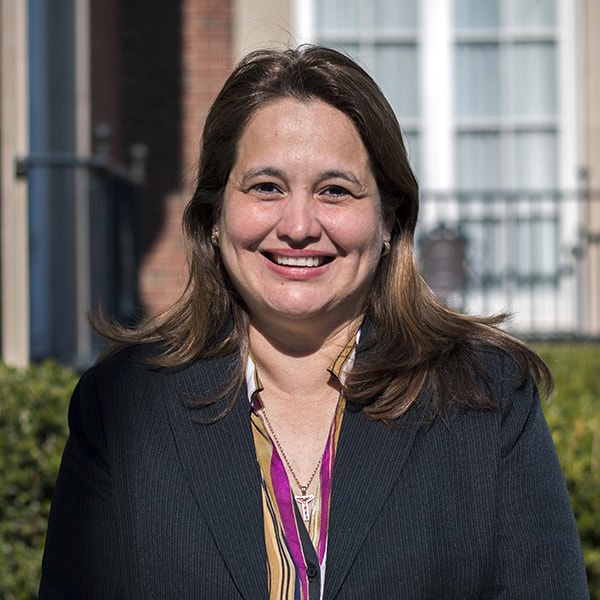
Dr. Julissa Villanueva serves as the Director of the Honduran Attorney General’s Forensic Medicine Department, overseeing 650 forensic experts. She began her career as a forensic pathologist in 2002 and was named Director in 2013. Dr. Villanueva has fundamentally changed the nature of criminal accountability in Honduras, especially regarding violent crimes perpetrated against women and children. She has led multidisciplinary, data-driven initiatives to counteract gender-based violence and was a key player in national femicide legislation that imposed additional criminal penalties for gender-based homicides. Her focus on forensic evidence in high-profile cases helped convict murderers when eyewitness testimony was insufficient. Dr. Villanueva developed the first post-graduate medical degree in forensic medicine in Honduras and established the Forensic Science Journal of Honduras, which has garnered a regional audience. She developed the basis for the National Human Identification Registry, in part to address the many unsolved murders in Honduras, and created the first humanitarian cemetery so unclaimed or unidentified corpses could be exhumed later as evidence in criminal trials. In partnership with the U.S. government, Dr. Villanueva is developing DNA capabilities to help identify decomposed bodies recovered along migrant routes and to track unaccompanied minors that attempt to reach the United States through illegal migration. She pioneered the use of Gesell chambers in forensic medicine facilities, which allow victims of sexual crimes or witnesses of murder to provide legal testimony before the court without publicly revealing their identity, eliminating shame and fear of retribution. Dr. Villanueva’s courageous and inspirational efforts have improved the capacity of forensic medicine in Honduras, bolstered evidence used in violent crime cases (many of which are against women), and are essential to the fight against impunity in Honduras.
Support AWIU
AWIU is a 501(c)(3) non-profit organization. Tax ID # 23-7273487

American Women for International Understanding
1308 E Colorado Blvd #165
Pasadena, CA 91106
phone: 202-643-1196 | email: info@awiu.org
Join The AWIU Newsletter!
Stay up to date with upcoming events and opportunities with AWIU
By submitting this form, you are consenting to receive marketing emails from AWIU.
You can revoke your consent to receive emails at any time by using the Unsubscribe link, found at the bottom of every email.